For business owners in the Central Valley, a functional refrigeration system isn’t a luxury—it’s the backbone of your operations. Whether you manage a restaurant, a floral shop, or a medical facility, specialized care is vital.
You might be tempted to call a standard handyman for a quick fix, but there are critical reasons Why Your Business Can’t Afford Generalist Refrigeration Repair.
The High Cost of “Simple” Mistakes
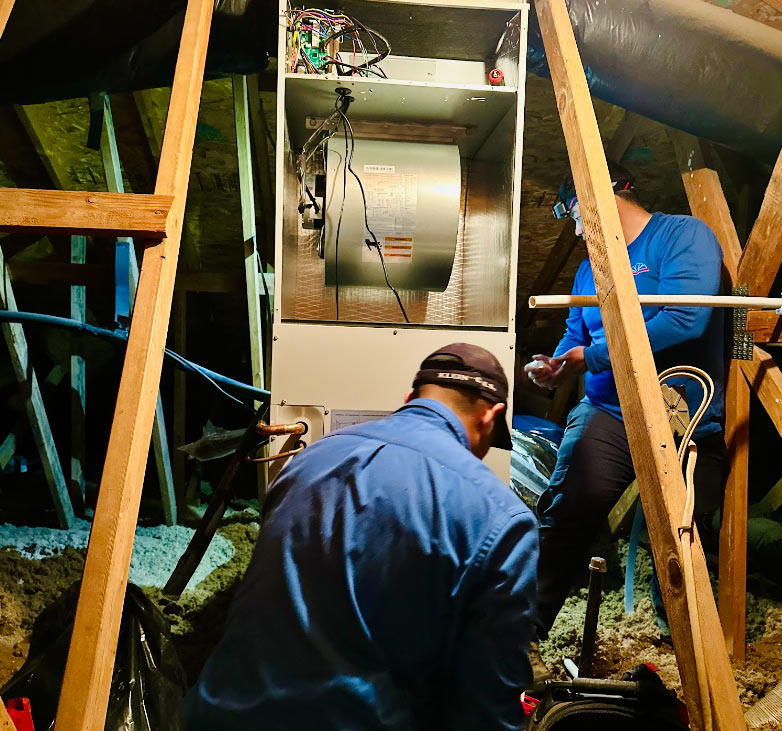
Commercial refrigeration systems are far more complex than residential units. They involve intricate cycles and specific refrigerant types that require expert handling.
A generalist may misdiagnose a pressure issue, leading to a total system collapse. This lack of specialized knowledge often results in repeated service calls, significantly driving up your long-term operational costs.
Protecting Your Inventory and Revenue
When your cooling fails, the clock starts ticking on your inventory. A generalist might not prioritize the urgency or have the specialized tools needed for a rapid
Losing thousands of dollars in spoiled product is a primary reason Why Your Business Can’t Afford Generalist Refrigeration Repair. Specialized technicians understand that for a business, every hour of downtime is lost revenue.
Energy Efficiency and System Longevity
Specialized technicians don’t just “fix” a problem; they optimize the entire system. Generalists often overlook small calibration issues that force your compressors to work harder. Proper
Neglecting these nuances leads to astronomical energy bills and shortens the lifespan of your expensive equipment by years.
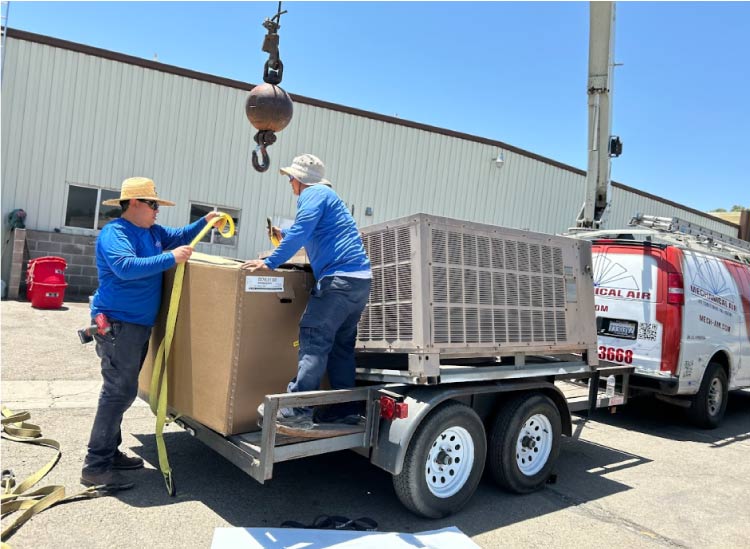
Regulatory Compliance and Safety
Strict EPA and OSHA regulations regarding refrigerant handling govern commercial cooling. A generalist may not hold the necessary
Improper handling of chemicals can lead to heavy fines for your business. Hiring an expert ensures that all work is compliant with environmental laws and safety standards, protecting you from legal liability.

Precision Diagnostics for Complex Parts
A commercial system relies on high-output components that residential-focused techs rarely encounter. For example, diagnosing a failing
Generalists often resort to “parts swapping” because they lack diagnostic depth. This trial-and-error approach is expensive and keeps your system in a state of constant instability.
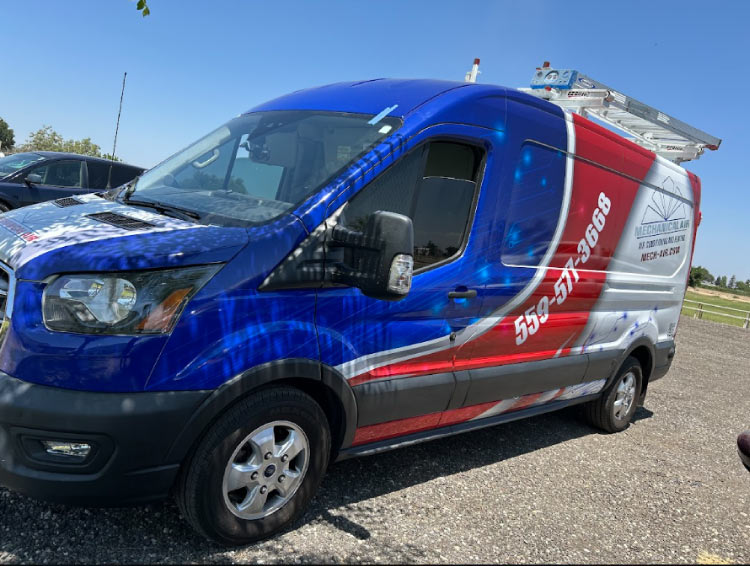
Superior Equipment Knowledge
Modern commercial units are increasingly digital and integrated. Specialist teams stay updated on the latest A2L refrigerants and smart controllers. Another reason Why Your Business Can’t Afford Generalist Refrigeration Repair is the risk of voiding your manufacturer’s warranty.
Most commercial warranties require proof that service was performed by a licensed professional with specific industry credentials.
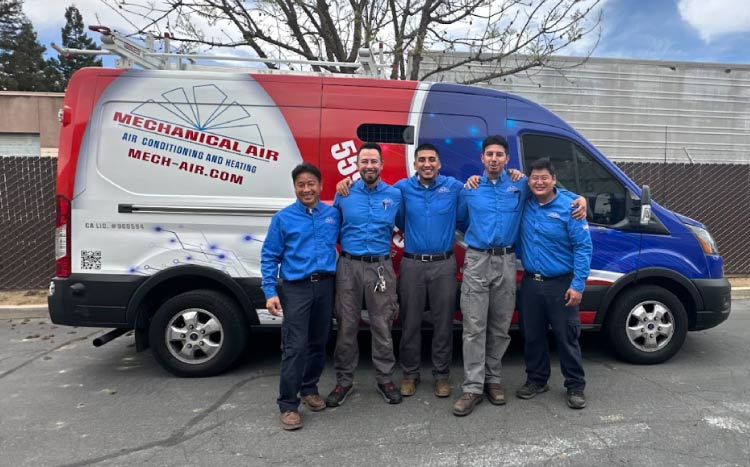
About Mechanical Air LLC
Based in Fresno, CA, Mechanical Air LLC is a premier provider of specialized cooling solutions
Unlike competitors who only handle basic heating and cooling, we offer expert
FAQ’s
How often should a commercial refrigeration system be serviced?
Commercial systems should undergo professional maintenance at least twice a year. High-traffic environments, like busy kitchens, may require quarterly inspections to prevent dust buildup and ensure the compressors are cycling correctly under heavy loads.
What are the signs that a commercial compressor is failing?
Common indicators include loud or unusual clicking noises, frequent cycling (turning on and off), and a noticeable rise in cabinet temperatures. If you notice a sudden spike in your electricity bill, it may indicate the compressor is struggling to maintain pressure.
Why is my commercial reach-in freezer leaking water?
Leaks are typically caused by a clogged or frozen defrost drain. When the drain line is obstructed by debris or ice, the melted water from the defrost cycle has nowhere to go and eventually overflows into the unit or onto the floor.
Is it better to repair or replace an old commercial refrigeration unit?
If a repair cost exceeds 50% of the value of a new unit, or if the system is more than 10-15 years old, replacement is usually more cost-effective. Newer models are significantly more energy-efficient and use modern, environmentally friendly refrigerants.
What is the ideal temperature for a commercial walk-in cooler?
For most food service applications, the FDA recommends keeping refrigerated foods at or below 40°F (4°C). Most businesses set their walk-in coolers between 35°F and 38°F to provide a safety buffer and maximize the shelf life of perishables.
For more information on industry standards and food safety, you can visit the